The Most Dangerous Roads and Intersections for Dallas-Fort Worth Motorcyclists
Every rider in the metroplex has a stretch of road that makes the hair on their neck stand up. The lane that suddenly drops to one. The intersection where cars treat the light like a suggestion. The interchange where four highways braid together at 70 miles an hour. If you ride in Dallas, Fort Worth, Denton or anywhere across North Texas, you already know the truth: it is not always the open road that gets you. It is the choke points.
We put this guide together for the Ride Nation DFW community because knowing where the danger lives is half of avoiding it. The other half is knowing your rights if a four-wheeler does take you down. Let's cover both.
Why DFW Is Tough on Two Wheels
The Dallas-Fort Worth metroplex is one of the fastest-growing regions in the country, and the roads show it. Constant construction, lane shifts that change week to week, aggressive merging, and a sea of distracted drivers staring at phones instead of mirrors. Add in summer heat that bakes the asphalt, sudden North Texas storms that slick the surface in seconds, and toll roads built for speed, and you have a recipe that punishes anyone without a steel cage around them.
Motorcyclists are not protected by crumple zones or airbags. When something goes wrong out here, it tends to go wrong fast. So let's talk about where it goes wrong most.
The Roads and Interchanges That Demand Respect
The High Five Interchange (US-75 and I-635)
This five-level stack in North Dallas is an engineering marvel and a rider's nightmare during rush hour. Traffic weaves across multiple lanes to catch exits, sightlines are broken up by the towering ramps, and drivers make last-second decisions to avoid missing their turn. Keep extra following distance and assume the car next to you cannot see you.
I-35W and I-35E Through the Metroplex
The split that sends I-35 through both Fort Worth and Dallas creates some of the busiest, most construction-heavy corridors in the state. Lane closures, uneven pavement seams, and merging trucks make this a place where you ride defensively or you do not ride here at all. Watch for the metal plates and grooved pavement that can unsettle your front end.
LBJ Freeway (I-635)
The managed toll lanes and frequent speed differentials on LBJ mean some drivers are doing 80 while others are nearly stopped. That gap is where motorcyclists get hurt. Sudden braking and abrupt lane changes are the norm here.
US-75 (Central Expressway)
The artery through Dallas and up into Collin County stays congested, and stop-and-go traffic produces a high rate of rear-end collisions. A rider stopped in traffic is a sitting target for a distracted driver who looks up too late.
I-35E Through Denton
As Denton has grown, so has the strain on I-35E. Heavy commuter traffic, college-town congestion, and ongoing roadwork make this a corridor where you stay alert from on-ramp to off-ramp.
The Intersections Where Riders Get Hit
Highways get the headlines, but intersections are where most motorcycle crashes actually happen. The classic scenario is a driver turning left across your path who claims those four words every rider dreads: "I never saw the bike." Surface streets and busy arterials across the metroplex are full of these moments.
- Major arterials in North Dallas and Plano where left-turn lanes meet fast through-traffic.
- The dense intersections around downtown Fort Worth and the West 7th entertainment district, especially on weekend nights.
- High-traffic crossings near shopping corridors where drivers are scanning for parking lots instead of motorcycles.
- College-area intersections in Denton where pedestrian and vehicle traffic mix heavily.
The pattern is almost always the same: a car fails to yield, misjudges your speed, or simply does not register a single headlight in a field of cars. You can ride flawlessly and still get hit. That is the hard reality, and it is why the law matters as much as your riding skill.
Know Your Texas Rights Before You Need Them
If a driver puts you down, Texas law shapes everything that happens next. Here is what every rider in the metroplex should have in their back pocket.
Helmet Law
In Texas, riders under 21 must wear a helmet, full stop. Riders 21 and older can legally ride without one only if they have completed an approved motorcycle safety course or carry health insurance coverage. Whatever you choose, know that going without does not bar you from recovering for injuries caused by someone else.
Minimum Insurance the Other Driver Should Carry
Texas requires drivers to carry liability coverage of at least 30/60/25. That means 30,000 dollars for injury to one person, 60,000 dollars total per accident, and 25,000 dollars for property damage. Serious motorcycle injuries blow past those limits quickly, which is exactly why uninsured and underinsured motorist coverage on your own policy is worth every penny.
The 51 Percent Bar on Fault
Texas uses modified comparative negligence, also called proportionate responsibility. Your compensation gets reduced by your share of the blame. If you are found 20 percent at fault, you recover 80 percent of your damages. But cross the line to 51 percent or more, and you recover nothing. Insurance companies know this rule cold, and they will try to pin blame on you to push you over that threshold. Do not give them the ammunition.
The Two-Year Clock
Texas gives you two years from the date of the crash to file a personal injury lawsuit. It sounds like plenty of time. It is not. Evidence disappears, witnesses move, and skid marks wash away with the next storm. The sooner the facts are locked down, the stronger your position.
What to Do at the Scene
If you can move and it is safe, take these steps. They protect your health and your claim.
- Get medical attention even if you feel fine. Adrenaline hides injuries, and a gap in treatment is the first thing an insurer attacks.
- Call the police and get an official crash report.
- Photograph everything: the vehicles, the intersection, the road conditions, your gear, and your injuries.
- Get names and numbers from witnesses before they leave.
- Say as little as possible to the other driver's insurance company. They are not on your side.
Ride Smart, Ride Backed
You cannot control the distracted driver in the next lane, but you can control how prepared you are. Know the dangerous corridors. Respect the intersections. Build a buffer of space and assume you are invisible. And if the worst happens, know that the law gives Texas riders real protections, as long as you act on them.
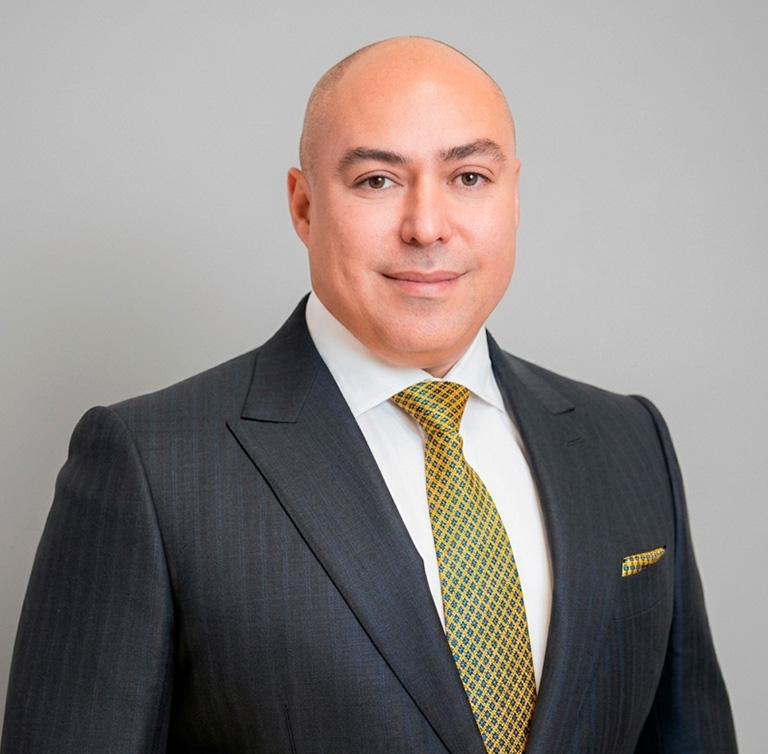
Diaz Law Firm is an established Texas injury firm founded by Manuel Diaz, a graduate of SMU School of Law, with offices in Dallas, Fort Worth, Denton and San Antonio. The firm is a member of the National Academy of Motorcycle Injury Lawyers. If a driver took you down anywhere in the metroplex, call Diaz Law Firm at (214) 800-2086 to talk through your options. No pressure, just answers.
This article is general information for the riding community and is not legal advice. Reading it does not create an attorney-client relationship. This is attorney advertising.