What to Do After a Motorcycle Accident in Texas: A Rider's First-48-Hours Checklist
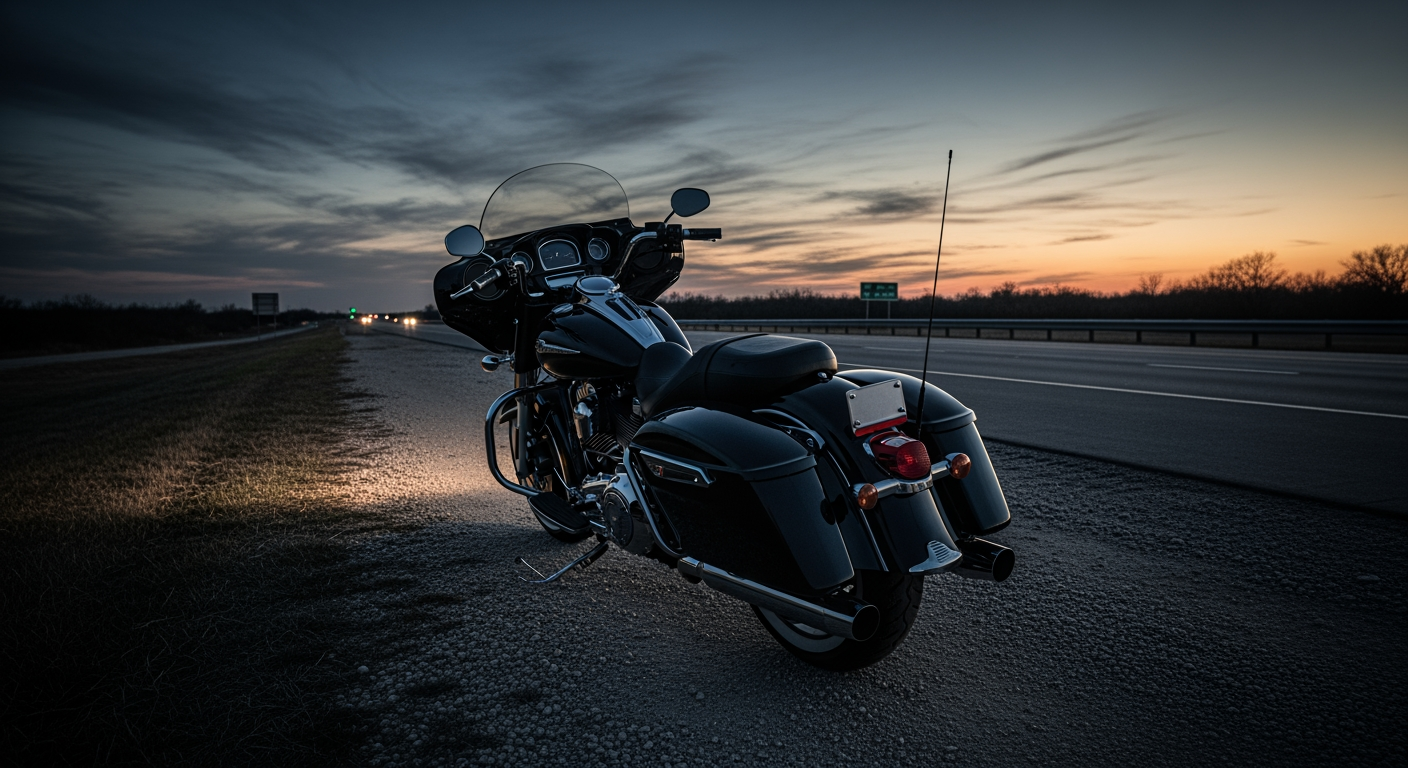
One second you are carving through traffic on I-35 or cruising the back roads out past Denton. The next, you are on the pavement watching your bike slide away. If that has happened to you or someone you ride with, the next 48 hours matter more than almost anything else that comes later.
We put this checklist together for Texas riders, because cagers get airbags and crumple zones and we get road rash and finger-pointing. What you do right after a crash can make or break your recovery, your health, and any claim you file down the road. Save this. Send it to your crew. Here is the rider-to-rider rundown.
The First Hour: On Scene
Adrenaline lies to you. Plenty of riders have stood up after a wreck, said they were fine, and woken up the next morning barely able to move. Slow down and work the scene like your future depends on it, because it does.
1. Get safe, then get checked
If you can move, get yourself and your bike out of live traffic. DFW highways do not stop for anybody. Then call 911. Ask for an ambulance even if you think you are okay. Internal injuries, concussions, and adrenaline-masked fractures are real, and a medical record from the scene is also one of the strongest pieces of evidence you can have.
2. Make sure a police report gets filed
In Texas you are required to report a crash involving injury, death, or property damage. Get the officers out there and let them document it. Ask how to get a copy of the crash report later (the Texas CR-3 form). That report is the official starting point for everything that follows.
3. Document everything you can
If you are physically able, pull out your phone and shoot photos and video. Riders who walk away with a full camera roll are in a far stronger position than riders who walk away with nothing. Capture:
- Your bike, the other vehicle, and all visible damage
- The full scene from several angles, including skid marks, debris, and road conditions
- Traffic signs, signals, and lane markings
- Your gear and any visible injuries
- License plates and the other driver's insurance and ID
4. Get witnesses before they scatter
People leave fast. Grab names and phone numbers from anyone who saw what happened. A neutral witness who saw the driver run the light or merge into your lane can be worth more than any argument you make later.
5. Watch your mouth
Do not apologize. Do not say "I didn't see them" or "I might have been going a little fast." Texas uses a fault system, and casual words at the scene have a way of coming back around. Stick to facts when you talk to police, and stay polite with the other driver without admitting anything.
Why Texas Law Makes the First 48 Hours So Important
Texas has some specific rules that hit riders directly. Knowing them up front helps you protect yourself.
Fault decides who pays
Texas follows what is called modified comparative negligence with a 51 percent bar. In plain English, the insurance companies and courts assign a percentage of fault to everyone involved. If you are found 20 percent at fault, your recovery is reduced by 20 percent. But here is the part riders need to burn into memory: if you are found 51 percent or more at fault, you recover nothing. Zero.
That is exactly why scene evidence matters so much. Insurers love to pin extra blame on riders by leaning on the old "motorcycles are reckless" stereotype. Photos, witnesses, and a clean police report are how you keep your fault percentage where it belongs.
Insurance minimums are low
Texas only requires drivers to carry liability coverage of 30/60/25. That is 30,000 dollars per injured person, 60,000 dollars per accident, and 25,000 dollars for property damage. A serious motorcycle injury can blow past those numbers in a single ER visit. This is why it is worth knowing whether you carry uninsured or underinsured motorist coverage on your own policy. Dig out your declarations page in these first couple of days.
Helmets and the law
Texas law requires a helmet for riders under 21, full stop. If you are 21 or older, you are legally exempt only if you completed an approved motorcycle safety course or carry health insurance coverage. Whether or not you were wearing a helmet does not automatically decide fault, but it absolutely comes up, so know where you stand.
The clock is already running
Texas gives you a two-year statute of limitations on personal injury claims. Two years sounds like forever when you are lying in a hospital bed, but evidence fades, witnesses move, and memories blur fast. The riders who protect themselves are the ones who start building the record in the first 48 hours, not the last two months.
The Next 48 Hours: After You Leave the Scene
6. See a doctor, even if you already did
Follow up with a physician within a day or two no matter what. Tell them everything that hurts, even the small stuff. Gaps in treatment are the first thing an insurance adjuster will use to argue you were not really hurt. Consistent medical records tell the true story.
7. Write down what you remember
Memory is sharpest right now. Open your notes app and write out exactly what happened: speed, weather, what the other driver did, what you saw and heard. You will be amazed how much detail slips away in a week.
8. Preserve your gear and your bike
Do not wash your gear, do not repair the bike, and do not let anyone haul it off to be scrapped yet. A cracked helmet, torn jacket, and damaged frame are physical evidence of the forces involved. Photograph all of it and keep it somewhere safe.
9. Be careful with the insurance call
The other driver's insurer may call fast and friendly, often within a day. They are not on your side. You are not required to give a recorded statement, and you should not accept any quick settlement offer before you understand the full extent of your injuries. Early lowball offers are a business model, not a favor.
10. Talk to someone who knows bikes
Get advice from a Texas attorney who actually handles motorcycle cases before you sign anything or talk numbers with an adjuster. The fault rules, the coverage stacking, the way insurers treat riders, all of it is easier to navigate with someone who has done it before.
A Quick Word From Diaz Law Firm
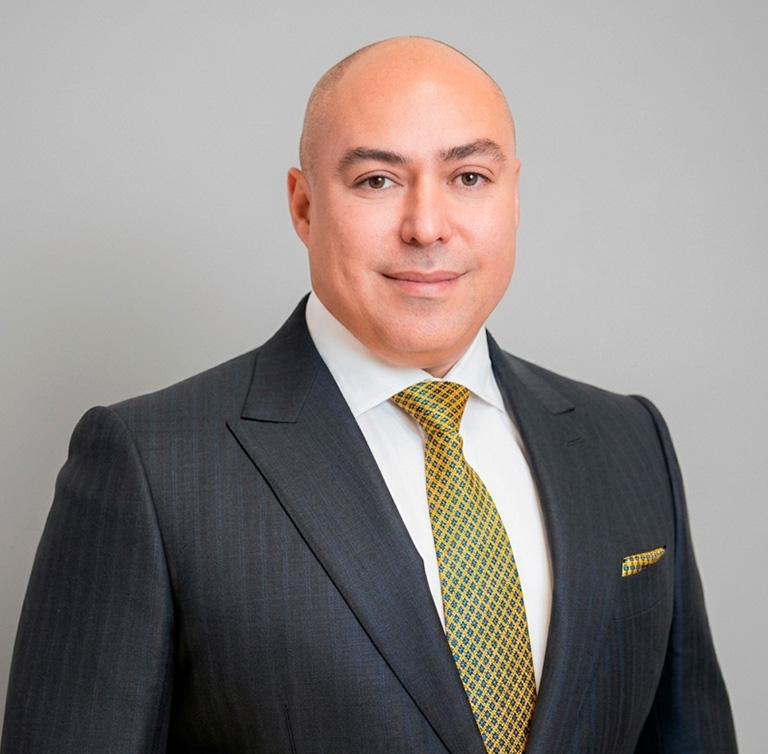
Ride Nation Dallas Fort Worth is powered by Manuel Diaz and the Diaz Law Firm. Manuel founded the firm after earning his law degree at SMU School of Law, and today the firm represents injured Texans from offices in Dallas, Fort Worth, Denton, and San Antonio. Diaz Law Firm is a member of the National Academy of Motorcycle Injury Lawyers, which means motorcycle cases are taken seriously here, not treated like just another car wreck.
If you or a fellow rider went down in the DFW metroplex or anywhere in North Texas, you can call Diaz Law Firm at (214) 800-2086 to talk through your situation. No pressure, just straight answers from people who understand what it means to be on two wheels.
Ride smart, gear up, and look out for each other out there.
This article is general information for Texas riders and is not legal advice. Reading it or contacting Diaz Law Firm does not create an attorney-client relationship. This is attorney advertising.